

En motion graphicsThere is nothing better than seeing our ideas come to life on screen, enriching stories and captivating the viewer. This art combines the best of graphic design and animation to tell stories and communicate concepts visually in a way that goes directly to the viewer.
In the world of film and television, motion graphics They have become an essential tool, both in title sequences and striking transitions, as well as in the visual effects that accompany the narrative.
Through this type of motion design we can convey the essence of a story or a brand with just a few seconds of visual content.
To achieve this, we need to master a variety of tools that allow us to bring our ideas from paper to screen. Adobe After Effects and Cinema 4D, supported by Adobe Photoshop and Illustrator and the Redshift rendering engine, form the basis of this workflow, each with a specific and complementary role that helps us transform abstract concepts into dynamic and engaging visual experiences.
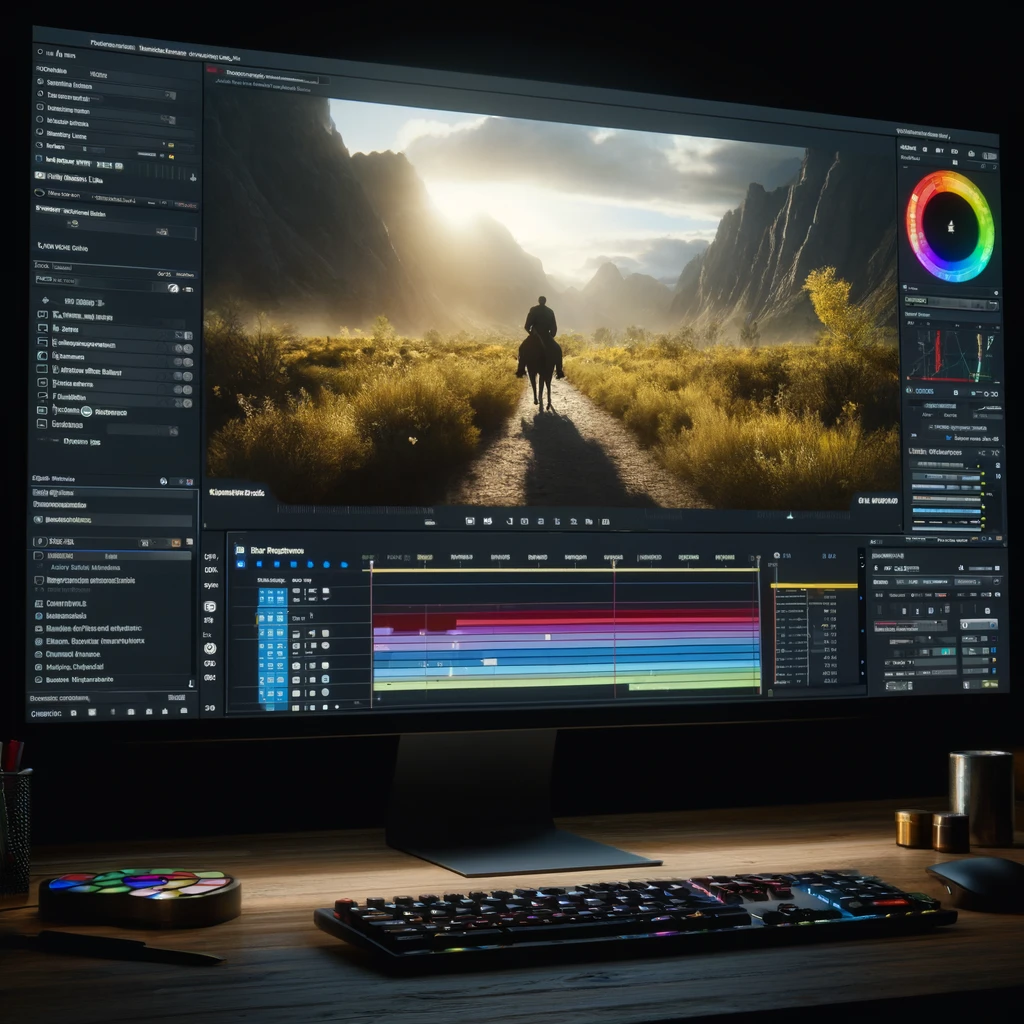
Adobe After Effects: the heart of motion graphics
After Effects is the core where ideas start to move. This program is the fundamental tool in motion graphics because it allows you to create detailed animations and apply advanced visual effects with incredible precision. With After Effects, we can work with layers and build complex compositions that integrate different visual elements into a fluid sequence.
It's perfect for designing credits and titles that captivate from the first moment. A brilliant example of this is the series Stranger Things: Its famous opening sequence, with lighting effects and transitions, creates a nostalgic and mysterious atmosphere that is now iconic.
In advertising, After Effects has been instrumental in campaigns for brands such as Nike, where motion graphics synchronized to music highlight the energy and dynamism of the brand. The versatility of After Effects is that it allows for timing and effects adjustments to be made in sync with sound, creating a complete visual experience.
Cinema 4D: Adding Dimension and Depth in 3D
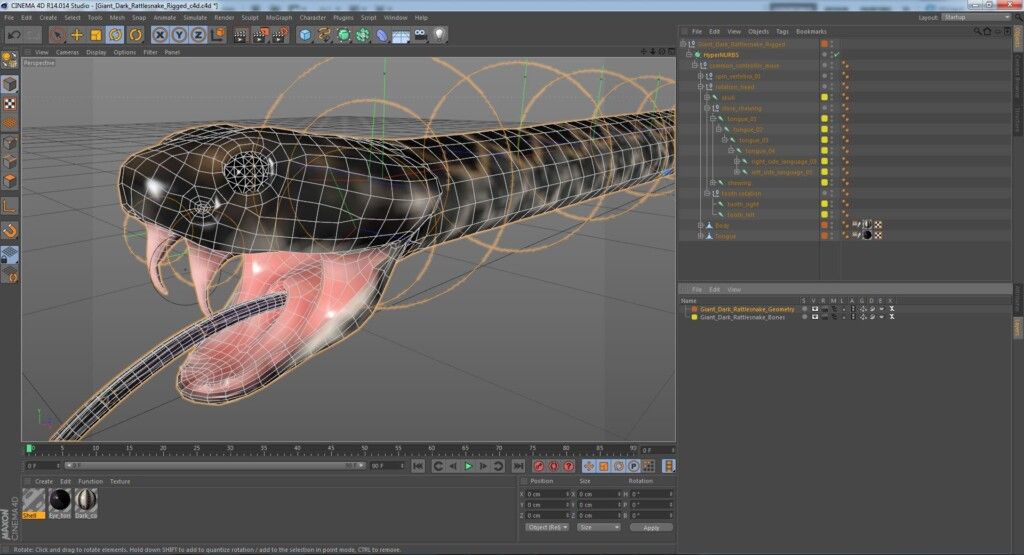
When the story calls for three-dimensional elements, Cinema 4D becomes the ideal tool. This software makes working with 3D graphics accessible without sacrificing professional quality, and is an essential choice for those who want to add that extra dimension.
Cinema 4D allows you to model, texture and animate 3D objects and scenarios, as seen in science fiction and fantasy projects.
In movies like Guardians of the GalaxyCinema 4D was essential to creating the alien ships and environments that gave the film's universe a spectacular and original look.
In advertising campaigns such as Red Bull, Cinema 4D has been used to create liquid simulations and 3D environments that capture the audience. With Cinema 4D, we can model 3D elements that integrate seamlessly into After Effects compositions, giving us complete control over the final design.
Adobe Photoshop and Illustrator: creating the visual foundation
Before we move anything forward, we need to build the foundation of our visual design. Adobe Photoshop and Illustrator help us create high-quality graphics that we can then bring into After Effects or Cinema 4D. Photoshop is great for manipulating images, creating textures, and making color adjustments to bitmap graphics, while Illustrator lets us design vector graphics that can be scaled without losing quality.
Whether we're working with logos, typography, or detailed illustrations, Illustrator is key to clean, versatile design.
A good example of using Photoshop and Illustrator in motion graphics It is seen in the titles of Luke Cage, where the textures and colours designed in these programs give a comic book feel. This visual aspect is combined in After Effects, creating an opening sequence that reflects the intensity of the urban environment of the series.
Redshift: Fast and realistic rendering
Redshift has been a real revolution in our work, allowing us to render quickly and see high-quality results in real time. This rendering engine takes advantage of the GPU to process advanced lighting, shadow and reflection effects, giving us the freedom to experiment with different settings without wasting time. In film projects like Black PantherRedshift was used to render complex 3D scenes in great detail, making the world of Wakanda look realistic and vibrant.
Redshift’s efficiency is also ideal for the fast pace of television and advertising, where quality and delivery time are key. Working with Redshift allows us to hone in on visual details that enrich the final result, without compromising deadlines.
Iconic examples of motion graphics in film and advertising
Over the years, the motion graphics have left their mark on film and television projects, elevating visual storytelling in many ways. Some examples of this art in action include:
- Opening sequences of James Bond: The credits sequences of the James Bond films are visually fascinating, with stylized animations and motion graphics that perfectly complement the franchise's iconic music.
- Apple Campaigns: Apple has taken advantage of the motion graphics to communicate the simplicity and elegance of its products. The precision of the moving graphics and the combination with music and sounds highlight the user experience offered by the brand.
- Credits sequence of Sherlock Holmes (2009): Guy Ritchie's film uses motion graphics in the credits to transform the sketch-style drawings into animations that reflect the mystery of the story and the essence of the character.
- Series Westworld: The opening credits of Westworld They are a masterpiece of motion graphics. Using motion graphics along with 3D animation, the opening sequence sets the dark and complex tone of the series.
- Coca-ColaCoca-Cola campaigns use animated graphics to represent freshness and joy, playing with textures and moving transitions that convey the spirit of the brand.
Motion graphics: when design comes to life
The process of transforming static graphics into moving elements is pure creativity in action. With tools like Adobe After Effects, Cinema 4D, Photoshop, Illustrator, and Redshift, we can create visual pieces that connect with the audience on a deeper level. Each project is an opportunity to experiment, to tell stories through animation, and to build visual experiences that surprise and excite.
Creating motion graphics isn't just about adding dynamism to an image; it's about communicating ideas, evoking emotions, and making the audience feel part of the story. Thanks to motion graphics, we can transform abstract concepts into visuals that speak for themselves, connecting with people in powerful and memorable ways. If you like this world, check out information about the Diploma in design, animation and digital art that you can study at the University School of Arts TAI.


