Setting up a home studio at home is no longer just a dream reserved for music industry professionals. Today, anyone can create their own home recording studio with the right tools and a little planning. In this article, we'll show you how to make a home studio and everything you need to start producing your own music from the comfort of your own home.
1. What do you need to make a home studio?
Before you get started, it's important to know what you need to make a functional home studio. Although technology has reduced costs, there are some essential equipment that you can't overlook:
- Computer: the heart of your studio. You need a computer with enough capacity to handle audio recording and editing programs.
- Production Software (DAW): Programs like Ableton Live, FL Studio, Logic Pro or Pro Tools are perfect for music production.
- audio interface: to connect your instruments or microphones to your computer. Models like the Focusrite Scarlett or Behringer UMC are popular choices for a home studio.
- Microphone: for recording vocals or acoustic instruments. A condenser microphone is ideal for a home recording studio.
- Monitoring headphones or studio monitors: to hear your mixes clearly.
- Wiring and accessories: Don't underestimate the importance of purchasing quality cables and microphone stands.
With these elements, you will have the basis to start building your home studio.
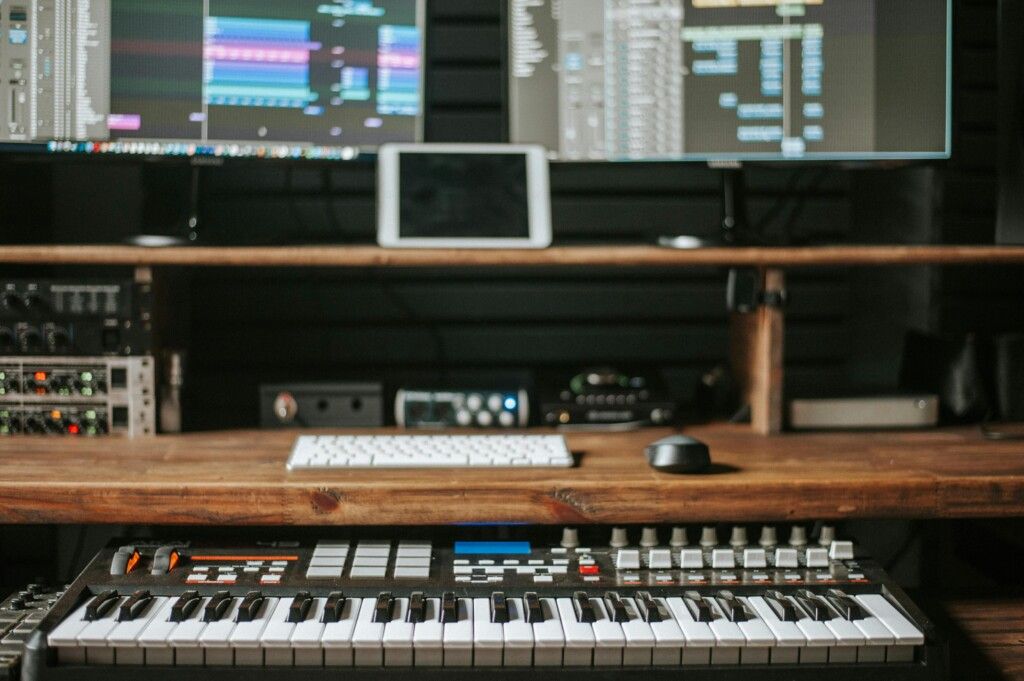
2. How to set up a homemade home studio
Knowing how to set up a home studio in your home isn't just about buying the right equipment. The layout of the space is also key to getting the best possible sound quality.
adequate space
Find a space that you can dedicate exclusively to your study. It doesn't have to be big, but it should be sufficiently isolated from outside noise. If you don't have a spare room, you can use a corner of your bedroom or living room.
Acoustic isolation
One of the most important ideas for your home studio is soundproofing. The walls of your room can reflect sound and distort the quality of your recordings. Use materials such as acoustic panels, carpets or thick curtains to minimize these effects.
Equipment placement
Laying out your equipment efficiently is vital to maintaining workflow. Place your computer in an accessible location, but make sure your microphones and monitors are well positioned to capture and reproduce sound in the best possible way.
3. How to start producing music in your home studio
You already have your studio set up, but where do you start producing music? Here are the first steps you can follow:
Get familiar with your DAW
Your production software will be the main tool in your home studio. Spend time learning its basic functions: recording, editing, mixing, and effects. Every DAW has tutorials that can help you master it quickly.
Record your first tracks
You don't need a full band to get started. You can start by recording a simple vocal line, or an instrument like a guitar or keyboard. If you don't have any instruments, many DAWs offer pre-recorded sounds and loops that you can use to create your first compositions.
Learn to mix
Mixing is where your music comes to life. Learn how to EQ, compress, and use effects like reverb and delay to give your tracks depth and character. Don't be discouraged if you don't get the perfect sound right from the start - mixing is a skill that improves with practice.
MasterRaise your music
La masterization is the final step before your music is ready to be published. While you can do it yourself, it is also advisable to hire a professional if you are looking for the highest quality possible.
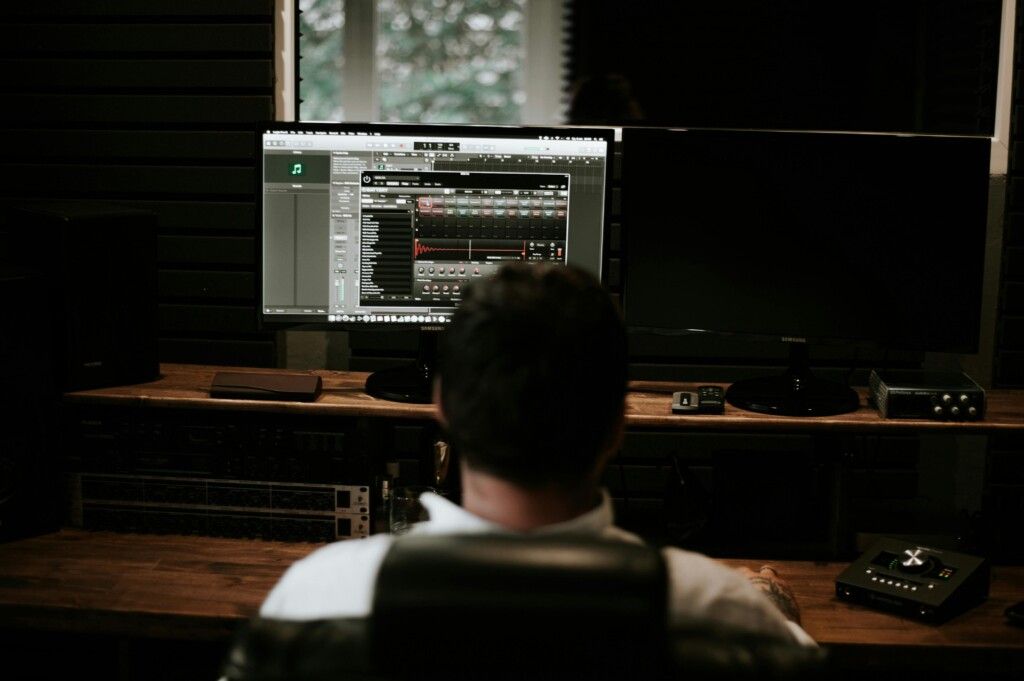
4. Ideas to improve your home studio
As you progress in your music career, you'll probably want to upgrade your home studio. Here are some ideas to take your space to the next level:
- MIDI controllers: They allow you to interact with your DAW more creatively, playing virtual instruments and controlling effects in real time.
- Bass Trap: If your studio has problems with serious resonances, consider installing bass traps to improve acoustics.
- Studio Monitor Upgrade: Investing in better quality monitors will make your mixes more accurate and professional.
- Advanced soundproofing: If outside noise is still a problem, you can improve your sound insulation with solid doors or double windows.